Buy dvor.eu ?
We are moving the project
dvor.eu .
Are you interested in purchasing the domain
dvor.eu ?
domain@kv-gmbh.de · 0541-91531010
Buy dvor.eu ?
What are raw materials, auxiliary materials, or operating materials?
Raw materials are the basic materials used in the production of goods. They are typically natural resources such as wood, metal, or agricultural products. Auxiliary materials are used to support the production process, such as lubricants, cleaning agents, or packaging materials. Operating materials are the supplies and tools used in the day-to-day operations of a business, such as office supplies, maintenance tools, or safety equipment. These materials are essential for the production and operation of goods and services. **
What is the difference between building materials, operating materials, and auxiliary materials?
Building materials are used in the construction of a structure, such as bricks, concrete, and steel. Operating materials are items used in the day-to-day operations of a building, like cleaning supplies, office supplies, and maintenance tools. Auxiliary materials are additional items that support the functioning of a building, such as lighting fixtures, plumbing fixtures, and HVAC systems. Each type of material serves a specific purpose in the construction and maintenance of a building. **


Similar search terms for Materials
Top-Angebote
Products related to Materials:
-
Multisell Products Hub Outdoor Hiking Watch With Compass & Carabiner Survival Sports Pocket Watch For Camping, Hiking, And Backpacking orangeGear up for your next adventure with the Hiking Watch designed for explorers, outdoor enthusiasts, and adventurers alike. This allinone survival gadget combines a precision compass, sports pocket watch, and carabiner for easy attachment to your...44,97 $*Shipping: 0,00 $Secure redirect to the provider
-
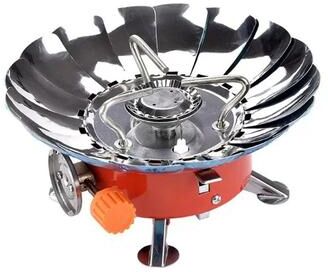
Smart Shopping Spot Camping Gas Stove Foldable Windproof Burner For Backpacking & Outdoor Cooking Camping Gas Stove Foldable Windproof Burner For Backpacking & Outdoor CookingTake your outdoor cooking to the next level with this portable camping stove designed for adventurers who refuse to compromise on convenience. Whether you're hiking deep into the mountains or enjoying a relaxed picnic, this compact yet powerful...44,97 $*Shipping: 0,00 $Secure redirect to the provider
-
Smart Shopping Spot Camping Stove Folding Gas Burner Compact Backpacking Stove For Outdoor Cooking Camping Stove Folding Gas Burner Compact Backpacking Stove For Outdoor CookingEnjoy hot meals wherever your adventure takes you with this portable camping stove designed for freedom and convenience. Whether you're hiking deep trails or setting up a quick campsite, this compact burner delivers reliable heat in seconds. Built...44,97 $*Shipping: 0,00 $Secure redirect to the provider


-
What is the difference between building materials, operating materials, and supplementary materials?
Building materials are used in the construction of a structure, such as wood, concrete, steel, and bricks. Operating materials are items used to maintain and operate a building, like cleaning supplies, light bulbs, and HVAC filters. Supplementary materials are additional items that may not be essential for the structure but can enhance its functionality or aesthetics, such as decorative finishes, landscaping materials, or furniture. **
-
Can someone explain the terms reserve materials, building materials, and operating materials?
Reserve materials are items kept in stock for future use, typically for emergencies or unexpected situations. Building materials are used in the construction or renovation of structures, such as wood, concrete, and steel. Operating materials are supplies necessary for the day-to-day functioning of a business or organization, like office supplies, cleaning products, and maintenance tools. Each term refers to specific types of materials needed for different purposes within a given context. **
-
What is the difference between raw materials, operating materials, and auxiliary materials?
Raw materials are the basic materials used in the production of goods, such as wood, metal, or oil. Operating materials are the materials used in the day-to-day operations of a business, such as office supplies, cleaning supplies, or packaging materials. Auxiliary materials are materials that support the production process but are not directly used in the final product, such as lubricants, solvents, or maintenance supplies. Each type of material plays a different role in the production and operation of a business. **
-
What is the difference between raw materials, auxiliary materials, operating materials, and goods?
Raw materials are the basic materials used in the production of goods, such as wood for furniture or steel for cars. Auxiliary materials are used to support the production process but do not become part of the final product, like lubricants or cleaning agents. Operating materials are items necessary for the day-to-day functioning of a business, such as office supplies or maintenance tools. Goods are the final products that are produced and sold to customers, such as furniture or cars. **


Is there a difference between materials and raw materials?
Yes, there is a difference between materials and raw materials. Raw materials are the basic materials that are used to make a product, such as wood, metal, or cotton. Materials, on the other hand, are the finished products that are used to create something else, such as plastic, glass, or fabric. In other words, raw materials are the starting point in the production process, while materials are the end result that can be used in various applications. **
How do materials scientists develop new materials and substances?
Materials scientists develop new materials and substances through a combination of experimentation, theoretical modeling, and advanced technology. They start by identifying the properties and characteristics they want the new material to have, and then they explore different chemical compositions and structures to achieve those properties. This often involves testing and analyzing the behavior of different materials under various conditions, as well as using computer simulations to predict their performance. Once a promising material is identified, scientists further refine and optimize its properties through iterative testing and modification, ultimately leading to the development of new and improved materials for various applications. **
Top-Angebote
Products related to Materials:
-
ModernMart Spovan Waterproof Fishing Barometer Watch For Hiking, Camping & Outdoor Sports Spovan Waterproof Fishing Barometer Watch For Hiking, Camping & Outdoor SportsNever miss the perfect fishing window again with this rugged fishing barometer watch designed for anglers and outdoor adventurers who rely on precision in changing conditions. Built with realtime pressure tracking, weather monitoring, and water...119,97 $*Shipping: 0,00 $Secure redirect to the provider
-
Inspired Finds Naturehike Folding Camping Cot Lightweight Portable Bed For Outdoor Travel, Hiking & Backpacking blackSleep comfortably under the stars with the folding camping cot designed for durability, comfort, and portability. Built with a sturdy frame that supports up to 150kg, this bed keeps you elevated from uneven or damp ground for a better nights rest...210,99 $*Shipping: 0,00 $Secure redirect to the provider
-
Multisell Products Hub Outdoor Hiking Watch With Compass & Carabiner Survival Sports Pocket Watch For Camping, Hiking, And Backpacking orangeGear up for your next adventure with the Hiking Watch designed for explorers, outdoor enthusiasts, and adventurers alike. This allinone survival gadget combines a precision compass, sports pocket watch, and carabiner for easy attachment to your...44,97 $*Shipping: 0,00 $Secure redirect to the provider
-
What are raw materials, auxiliary materials, or operating materials?
Raw materials are the basic materials used in the production of goods. They are typically natural resources such as wood, metal, or agricultural products. Auxiliary materials are used to support the production process, such as lubricants, cleaning agents, or packaging materials. Operating materials are the supplies and tools used in the day-to-day operations of a business, such as office supplies, maintenance tools, or safety equipment. These materials are essential for the production and operation of goods and services. **
-
What is the difference between building materials, operating materials, and auxiliary materials?
Building materials are used in the construction of a structure, such as bricks, concrete, and steel. Operating materials are items used in the day-to-day operations of a building, like cleaning supplies, office supplies, and maintenance tools. Auxiliary materials are additional items that support the functioning of a building, such as lighting fixtures, plumbing fixtures, and HVAC systems. Each type of material serves a specific purpose in the construction and maintenance of a building. **
-
What is the difference between building materials, operating materials, and supplementary materials?
Building materials are used in the construction of a structure, such as wood, concrete, steel, and bricks. Operating materials are items used to maintain and operate a building, like cleaning supplies, light bulbs, and HVAC filters. Supplementary materials are additional items that may not be essential for the structure but can enhance its functionality or aesthetics, such as decorative finishes, landscaping materials, or furniture. **
-
Can someone explain the terms reserve materials, building materials, and operating materials?
Reserve materials are items kept in stock for future use, typically for emergencies or unexpected situations. Building materials are used in the construction or renovation of structures, such as wood, concrete, and steel. Operating materials are supplies necessary for the day-to-day functioning of a business or organization, like office supplies, cleaning products, and maintenance tools. Each term refers to specific types of materials needed for different purposes within a given context. **
Similar search terms for Materials
-
Smart Shopping Spot Camping Gas Stove Foldable Windproof Burner For Backpacking & Outdoor Cooking Camping Gas Stove Foldable Windproof Burner For Backpacking & Outdoor CookingTake your outdoor cooking to the next level with this portable camping stove designed for adventurers who refuse to compromise on convenience. Whether you're hiking deep into the mountains or enjoying a relaxed picnic, this compact yet powerful...44,97 $*Shipping: 0,00 $Secure redirect to the provider
-
Smart Shopping Spot Camping Stove Folding Gas Burner Compact Backpacking Stove For Outdoor Cooking Camping Stove Folding Gas Burner Compact Backpacking Stove For Outdoor CookingEnjoy hot meals wherever your adventure takes you with this portable camping stove designed for freedom and convenience. Whether you're hiking deep trails or setting up a quick campsite, this compact burner delivers reliable heat in seconds. Built...44,97 $*Shipping: 0,00 $Secure redirect to the provider
-
Inspired Finds Naturehike Folding Camping Cot Lightweight Portable Bed For Outdoor Travel, Hiking & Backpacking khakiSleep comfortably under the stars with the folding camping cot designed for durability, comfort, and portability. Built with a sturdy frame that supports up to 150kg, this bed keeps you elevated from uneven or damp ground for a better nights rest...210,99 $*Shipping: 0,00 $Secure redirect to the provider
-
Multisell Products Hub Outdoor Hiking Watch With Compass & Carabiner Survival Sports Pocket Watch For Camping, Hiking, And Backpacking blueGear up for your next adventure with the Hiking Watch designed for explorers, outdoor enthusiasts, and adventurers alike. This allinone survival gadget combines a precision compass, sports pocket watch, and carabiner for easy attachment to your...44,97 $*Shipping: 0,00 $Secure redirect to the provider
-
What is the difference between raw materials, operating materials, and auxiliary materials?
Raw materials are the basic materials used in the production of goods, such as wood, metal, or oil. Operating materials are the materials used in the day-to-day operations of a business, such as office supplies, cleaning supplies, or packaging materials. Auxiliary materials are materials that support the production process but are not directly used in the final product, such as lubricants, solvents, or maintenance supplies. Each type of material plays a different role in the production and operation of a business. **
-
What is the difference between raw materials, auxiliary materials, operating materials, and goods?
Raw materials are the basic materials used in the production of goods, such as wood for furniture or steel for cars. Auxiliary materials are used to support the production process but do not become part of the final product, like lubricants or cleaning agents. Operating materials are items necessary for the day-to-day functioning of a business, such as office supplies or maintenance tools. Goods are the final products that are produced and sold to customers, such as furniture or cars. **
-
Is there a difference between materials and raw materials?
Yes, there is a difference between materials and raw materials. Raw materials are the basic materials that are used to make a product, such as wood, metal, or cotton. Materials, on the other hand, are the finished products that are used to create something else, such as plastic, glass, or fabric. In other words, raw materials are the starting point in the production process, while materials are the end result that can be used in various applications. **
-
How do materials scientists develop new materials and substances?
Materials scientists develop new materials and substances through a combination of experimentation, theoretical modeling, and advanced technology. They start by identifying the properties and characteristics they want the new material to have, and then they explore different chemical compositions and structures to achieve those properties. This often involves testing and analyzing the behavior of different materials under various conditions, as well as using computer simulations to predict their performance. Once a promising material is identified, scientists further refine and optimize its properties through iterative testing and modification, ultimately leading to the development of new and improved materials for various applications. **
* All prices are inclusive of VAT and, if applicable, plus shipping costs. The offer information is based on the details provided by the respective shop and is updated through automated processes. Real-time updates do not occur, so deviations can occur in individual cases. ** Note: Parts of this content were created by AI.