Buy dvor.eu ?
We are moving the project
dvor.eu .
Are you interested in purchasing the domain
dvor.eu ?
domain@kv-gmbh.de · 0541-91531010
Buy dvor.eu ?
How is the ISS heated?
The International Space Station (ISS) is heated using a combination of methods. The primary source of heat comes from the station's solar panels, which convert sunlight into electricity to power heaters throughout the station. Additionally, the ISS has a complex system of pipes that circulate a special coolant to transfer heat away from sensitive equipment and distribute it to other areas of the station. This combination of solar power and a sophisticated thermal control system helps to maintain a comfortable temperature for the astronauts and keep the station's systems functioning properly in the extreme conditions of space. **
Can I see the ISS?
Yes, the International Space Station (ISS) is visible from Earth and can be seen with the naked eye. The best time to see the ISS is during the early morning or evening when the sky is dark but the sun is still reflecting off the station. You can use websites or apps that track the ISS's location to know when it will be visible from your location. Keep in mind that the visibility of the ISS depends on weather conditions and the station's orbit. **


Similar search terms for ISS
Top-Angebote
Products related to ISS:
-
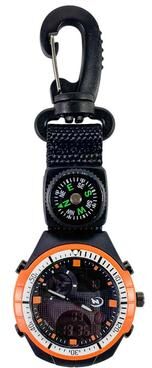
Multisell Products Hub Outdoor Hiking Watch With Compass & Carabiner Survival Sports Pocket Watch For Camping, Hiking, And Backpacking orangeGear up for your next adventure with the Hiking Watch designed for explorers, outdoor enthusiasts, and adventurers alike. This allinone survival gadget combines a precision compass, sports pocket watch, and carabiner for easy attachment to your...44,97 $*Shipping: 0,00 $Secure redirect to the provider
-
Smart Shopping Spot Camping Gas Stove Foldable Windproof Burner For Backpacking & Outdoor Cooking Camping Gas Stove Foldable Windproof Burner For Backpacking & Outdoor CookingTake your outdoor cooking to the next level with this portable camping stove designed for adventurers who refuse to compromise on convenience. Whether you're hiking deep into the mountains or enjoying a relaxed picnic, this compact yet powerful...44,97 $*Shipping: 0,00 $Secure redirect to the provider
-
Multisell Products Hub Long Distance Scope For Hiking, Bird Watching, Travel, Hunting, And Camping Long Distance Scope For Hiking, Bird Watching, Travel, Hunting, And CampingElevate Your Outdoor Experience with a Premium LongDistance Scope This longdistance scope is designed to transform your outdoor activities into unforgettable adventures. Whether you're bird watching, hiking, camping, or enjoying a sports event, this...54,97 $*Shipping: 0,00 $Secure redirect to the provider
-
Inspired Finds Naturehike Folding Camping Cot Lightweight Portable Bed For Outdoor Travel, Hiking & Backpacking khakiSleep comfortably under the stars with the folding camping cot designed for durability, comfort, and portability. Built with a sturdy frame that supports up to 150kg, this bed keeps you elevated from uneven or damp ground for a better nights rest...210,99 $*Shipping: 0,00 $Secure redirect to the provider


-
Is smoking allowed on the ISS?
No, smoking is not allowed on the International Space Station (ISS) due to the confined and controlled environment of the spacecraft. Smoking poses a serious fire hazard and can compromise the safety of the crew and the station itself. Additionally, smoking in space can have negative health effects on astronauts due to the limited ventilation and recycled air on the ISS. **
-
What acceleration does the ISS experience?
The International Space Station (ISS) experiences an acceleration due to the gravitational force of Earth, which is approximately 9.81 m/s^2. This acceleration keeps the ISS in orbit around the Earth, counteracting the force of gravity and allowing it to maintain a constant speed and altitude. Additionally, the ISS may also experience small accelerations due to the effects of atmospheric drag and the occasional thruster firings for reboosting its orbit. **
-
How does the ISS get internet?
The International Space Station (ISS) gets internet through a communication system that includes a network of Tracking and Data Relay Satellites (TDRS) and high-speed Ku-band communication links. These satellites are in geosynchronous orbit and provide continuous coverage for the ISS as it orbits the Earth. The communication links allow the astronauts on board to access the internet, send and receive emails, and communicate with mission control and their families. The internet connection is essential for the astronauts to conduct research, stay connected with the world, and access necessary information while on the ISS. **
-
Did I photograph the ISS here?
Without the specific image or context, it is difficult to determine if you photographed the International Space Station (ISS). The ISS is visible from Earth and can be photographed with the right equipment and timing. If you captured a fast-moving bright object in the night sky, it is possible that it could be the ISS. However, without more information or the actual image, it is hard to confirm if it is indeed the ISS. **

What forces act on the ISS?
The International Space Station (ISS) experiences several forces while in orbit around the Earth. The primary force acting on the ISS is the gravitational force, which keeps it in orbit around the Earth. Additionally, the ISS experiences a small amount of atmospheric drag due to the thin atmosphere at its orbital altitude. The ISS also experiences forces from solar radiation and the Earth's magnetic field. Finally, the ISS is affected by the occasional thruster firings or reboosts to maintain its orbit. **
Why should the ISS be discontinued?
There are several reasons why the ISS should be discontinued. Firstly, the ISS is aging and requires constant maintenance and repair, which is becoming increasingly costly and time-consuming. Secondly, the ISS has already served its purpose as a platform for scientific research and international collaboration, and it may be more cost-effective to invest in newer space technologies and missions. Lastly, discontinuing the ISS could free up resources and funding for future space exploration endeavors, such as returning to the Moon or sending humans to Mars. **
Top-Angebote
Products related to ISS:
-
ModernMart Spovan Waterproof Fishing Barometer Watch For Hiking, Camping & Outdoor Sports Spovan Waterproof Fishing Barometer Watch For Hiking, Camping & Outdoor SportsNever miss the perfect fishing window again with this rugged fishing barometer watch designed for anglers and outdoor adventurers who rely on precision in changing conditions. Built with realtime pressure tracking, weather monitoring, and water...119,97 $*Shipping: 0,00 $Secure redirect to the provider
-
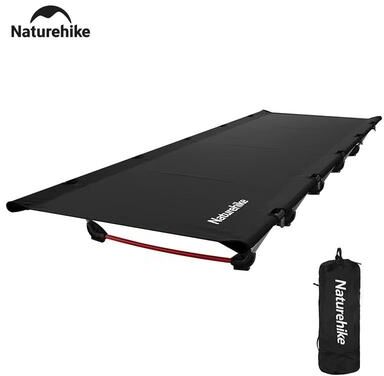
Inspired Finds Naturehike Folding Camping Cot Lightweight Portable Bed For Outdoor Travel, Hiking & Backpacking blackSleep comfortably under the stars with the folding camping cot designed for durability, comfort, and portability. Built with a sturdy frame that supports up to 150kg, this bed keeps you elevated from uneven or damp ground for a better nights rest...210,99 $*Shipping: 0,00 $Secure redirect to the provider
-
Multisell Products Hub Outdoor Hiking Watch With Compass & Carabiner Survival Sports Pocket Watch For Camping, Hiking, And Backpacking orangeGear up for your next adventure with the Hiking Watch designed for explorers, outdoor enthusiasts, and adventurers alike. This allinone survival gadget combines a precision compass, sports pocket watch, and carabiner for easy attachment to your...44,97 $*Shipping: 0,00 $Secure redirect to the provider
-
Smart Shopping Spot Camping Gas Stove Foldable Windproof Burner For Backpacking & Outdoor Cooking Camping Gas Stove Foldable Windproof Burner For Backpacking & Outdoor CookingTake your outdoor cooking to the next level with this portable camping stove designed for adventurers who refuse to compromise on convenience. Whether you're hiking deep into the mountains or enjoying a relaxed picnic, this compact yet powerful...44,97 $*Shipping: 0,00 $Secure redirect to the provider
-
How is the ISS heated?
The International Space Station (ISS) is heated using a combination of methods. The primary source of heat comes from the station's solar panels, which convert sunlight into electricity to power heaters throughout the station. Additionally, the ISS has a complex system of pipes that circulate a special coolant to transfer heat away from sensitive equipment and distribute it to other areas of the station. This combination of solar power and a sophisticated thermal control system helps to maintain a comfortable temperature for the astronauts and keep the station's systems functioning properly in the extreme conditions of space. **
-
Can I see the ISS?
Yes, the International Space Station (ISS) is visible from Earth and can be seen with the naked eye. The best time to see the ISS is during the early morning or evening when the sky is dark but the sun is still reflecting off the station. You can use websites or apps that track the ISS's location to know when it will be visible from your location. Keep in mind that the visibility of the ISS depends on weather conditions and the station's orbit. **
-
Is smoking allowed on the ISS?
No, smoking is not allowed on the International Space Station (ISS) due to the confined and controlled environment of the spacecraft. Smoking poses a serious fire hazard and can compromise the safety of the crew and the station itself. Additionally, smoking in space can have negative health effects on astronauts due to the limited ventilation and recycled air on the ISS. **
-
What acceleration does the ISS experience?
The International Space Station (ISS) experiences an acceleration due to the gravitational force of Earth, which is approximately 9.81 m/s^2. This acceleration keeps the ISS in orbit around the Earth, counteracting the force of gravity and allowing it to maintain a constant speed and altitude. Additionally, the ISS may also experience small accelerations due to the effects of atmospheric drag and the occasional thruster firings for reboosting its orbit. **
Similar search terms for ISS
-
Multisell Products Hub Long Distance Scope For Hiking, Bird Watching, Travel, Hunting, And Camping Long Distance Scope For Hiking, Bird Watching, Travel, Hunting, And CampingElevate Your Outdoor Experience with a Premium LongDistance Scope This longdistance scope is designed to transform your outdoor activities into unforgettable adventures. Whether you're bird watching, hiking, camping, or enjoying a sports event, this...54,97 $*Shipping: 0,00 $Secure redirect to the provider
-
Inspired Finds Naturehike Folding Camping Cot Lightweight Portable Bed For Outdoor Travel, Hiking & Backpacking khakiSleep comfortably under the stars with the folding camping cot designed for durability, comfort, and portability. Built with a sturdy frame that supports up to 150kg, this bed keeps you elevated from uneven or damp ground for a better nights rest...210,99 $*Shipping: 0,00 $Secure redirect to the provider
-
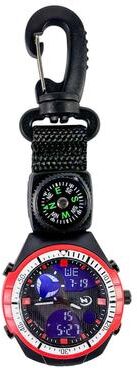
Multisell Products Hub Outdoor Hiking Watch With Compass & Carabiner Survival Sports Pocket Watch For Camping, Hiking, And Backpacking redGear up for your next adventure with the Hiking Watch designed for explorers, outdoor enthusiasts, and adventurers alike. This allinone survival gadget combines a precision compass, sports pocket watch, and carabiner for easy attachment to your...44,97 $*Shipping: 0,00 $Secure redirect to the provider
-
Multisell Products Hub Outdoor Hiking Watch With Compass & Carabiner Survival Sports Pocket Watch For Camping, Hiking, And Backpacking blueGear up for your next adventure with the Hiking Watch designed for explorers, outdoor enthusiasts, and adventurers alike. This allinone survival gadget combines a precision compass, sports pocket watch, and carabiner for easy attachment to your...44,97 $*Shipping: 0,00 $Secure redirect to the provider
-
How does the ISS get internet?
The International Space Station (ISS) gets internet through a communication system that includes a network of Tracking and Data Relay Satellites (TDRS) and high-speed Ku-band communication links. These satellites are in geosynchronous orbit and provide continuous coverage for the ISS as it orbits the Earth. The communication links allow the astronauts on board to access the internet, send and receive emails, and communicate with mission control and their families. The internet connection is essential for the astronauts to conduct research, stay connected with the world, and access necessary information while on the ISS. **
-
Did I photograph the ISS here?
Without the specific image or context, it is difficult to determine if you photographed the International Space Station (ISS). The ISS is visible from Earth and can be photographed with the right equipment and timing. If you captured a fast-moving bright object in the night sky, it is possible that it could be the ISS. However, without more information or the actual image, it is hard to confirm if it is indeed the ISS. **
-
What forces act on the ISS?
The International Space Station (ISS) experiences several forces while in orbit around the Earth. The primary force acting on the ISS is the gravitational force, which keeps it in orbit around the Earth. Additionally, the ISS experiences a small amount of atmospheric drag due to the thin atmosphere at its orbital altitude. The ISS also experiences forces from solar radiation and the Earth's magnetic field. Finally, the ISS is affected by the occasional thruster firings or reboosts to maintain its orbit. **
-
Why should the ISS be discontinued?
There are several reasons why the ISS should be discontinued. Firstly, the ISS is aging and requires constant maintenance and repair, which is becoming increasingly costly and time-consuming. Secondly, the ISS has already served its purpose as a platform for scientific research and international collaboration, and it may be more cost-effective to invest in newer space technologies and missions. Lastly, discontinuing the ISS could free up resources and funding for future space exploration endeavors, such as returning to the Moon or sending humans to Mars. **
* All prices are inclusive of VAT and, if applicable, plus shipping costs. The offer information is based on the details provided by the respective shop and is updated through automated processes. Real-time updates do not occur, so deviations can occur in individual cases. ** Note: Parts of this content were created by AI.