Buy dvor.eu ?
We are moving the project
dvor.eu .
Are you interested in purchasing the domain
dvor.eu ?
domain@kv-gmbh.de · 0541-91531010
Buy dvor.eu ?
What is decompression sickness?
Decompression sickness, also known as the bends, is a condition that occurs when nitrogen bubbles form in the bloodstream and tissues as a result of rapid decompression. This can happen when a person ascends too quickly from deep water, such as in scuba diving. Symptoms can include joint pain, fatigue, dizziness, and in severe cases, paralysis or death. Treatment typically involves re-compressing the diver in a hyperbaric chamber to reduce the nitrogen bubbles in the body. **
What are decompression stops in diving?
Decompression stops in diving are pauses that divers must make during their ascent to the surface in order to allow their bodies to safely release excess nitrogen absorbed during the dive. These stops are necessary when divers have been at depths that require them to breathe compressed air, as the nitrogen in the air can form bubbles in the bloodstream if not released gradually. Decompression stops are typically made at specific depths and durations, as determined by dive tables or dive computers, and are crucial for preventing decompression sickness, also known as "the bends." **


Similar search terms for Decompression
Top-Angebote
Products related to Decompression:
-
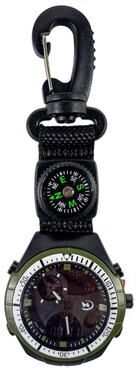
Multisell Products Hub Outdoor Hiking Watch With Compass & Carabiner Survival Sports Pocket Watch For Camping, Hiking, And Backpacking greenGear up for your next adventure with the Hiking Watch designed for explorers, outdoor enthusiasts, and adventurers alike. This allinone survival gadget combines a precision compass, sports pocket watch, and carabiner for easy attachment to your...44,97 $*Shipping: 0,00 $Secure redirect to the provider
-
Multisell Products Hub Long Distance Scope For Hiking, Bird Watching, Travel, Hunting, And Camping Long Distance Scope For Hiking, Bird Watching, Travel, Hunting, And CampingElevate Your Outdoor Experience with a Premium LongDistance Scope This longdistance scope is designed to transform your outdoor activities into unforgettable adventures. Whether you're bird watching, hiking, camping, or enjoying a sports event, this...54,97 $*Shipping: 0,00 $Secure redirect to the provider
-
Smart Shopping Spot Camping Gas Stove Foldable Windproof Burner For Backpacking & Outdoor Cooking Camping Gas Stove Foldable Windproof Burner For Backpacking & Outdoor CookingTake your outdoor cooking to the next level with this portable camping stove designed for adventurers who refuse to compromise on convenience. Whether you're hiking deep into the mountains or enjoying a relaxed picnic, this compact yet powerful...44,97 $*Shipping: 0,00 $Secure redirect to the provider
-
Inspired Finds Naturehike Folding Camping Cot Lightweight Portable Bed For Outdoor Travel, Hiking & Backpacking khakiSleep comfortably under the stars with the folding camping cot designed for durability, comfort, and portability. Built with a sturdy frame that supports up to 150kg, this bed keeps you elevated from uneven or damp ground for a better nights rest...210,99 $*Shipping: 0,00 $Secure redirect to the provider


-
Can you get decompression sickness while snorkeling?
Yes, it is possible to get decompression sickness while snorkeling, although it is rare. Snorkeling involves diving to shallow depths and then returning to the surface, which can lead to changes in pressure that may cause nitrogen bubbles to form in the body. This can result in symptoms of decompression sickness, such as joint pain, dizziness, and difficulty breathing. To reduce the risk of decompression sickness while snorkeling, it is important to ascend slowly and avoid making rapid changes in depth. **
-
What is the reverse version of decompression sickness?
The reverse version of decompression sickness is known as compression sickness or barotrauma. This occurs when a person is subjected to a rapid increase in pressure, such as when ascending quickly from a deep dive or ascending in an airplane. The rapid change in pressure can cause gas bubbles to form in the body, leading to symptoms such as joint pain, dizziness, and difficulty breathing. Compression sickness can be prevented by ascending slowly and allowing the body to adjust to the changing pressure. **
-
What is a rapid decompression in a vacuum?
A rapid decompression in a vacuum occurs when the pressure inside a sealed environment suddenly drops, causing the air and gases inside to rapidly expand. This can happen in a spacecraft or a pressurized cabin if there is a breach in the hull, causing the air to rush out into the vacuum of space. The rapid expansion of air can lead to a variety of dangerous effects, including the potential for explosive decompression, the formation of air embolisms in the bloodstream, and the risk of suffocation. Rapid decompression in a vacuum is a serious hazard for astronauts and anyone else in a pressurized environment in space. **
-
Does the decompression valve of the Hercules Prima not work?
The decompression valve of the Hercules Prima does work, but it may not function properly if it is damaged or clogged. If the decompression valve is not working as it should, it may result in difficulty starting the engine or poor performance. It is important to regularly inspect and maintain the decompression valve to ensure it is functioning correctly. If there are issues with the decompression valve, it should be repaired or replaced by a qualified mechanic. **
What can cause decompression sickness if the safety stop is skipped?
Skipping the safety stop can cause decompression sickness due to the rapid ascent of the diver to the surface. During the safety stop, nitrogen bubbles that have accumulated in the diver's body tissues are given time to slowly release, reducing the risk of decompression sickness. By skipping this stop, the nitrogen bubbles do not have enough time to off-gas, increasing the likelihood of decompression sickness occurring. It is important for divers to follow proper dive procedures, including safety stops, to minimize the risk of decompression sickness. **
Is there also extreme hiking camping?
Yes, there is a form of extreme hiking camping known as backpacking or wilderness camping. This type of camping involves carrying all necessary gear and supplies on your back and hiking long distances to remote and rugged locations. Backpacking often requires a higher level of physical fitness, outdoor skills, and self-sufficiency compared to traditional camping. It can be a challenging and rewarding way to experience the wilderness in a more immersive and adventurous way. **
Top-Angebote
Products related to Decompression:
-
ModernMart Spovan Waterproof Fishing Barometer Watch For Hiking, Camping & Outdoor Sports Spovan Waterproof Fishing Barometer Watch For Hiking, Camping & Outdoor SportsNever miss the perfect fishing window again with this rugged fishing barometer watch designed for anglers and outdoor adventurers who rely on precision in changing conditions. Built with realtime pressure tracking, weather monitoring, and water...119,97 $*Shipping: 0,00 $Secure redirect to the provider
-
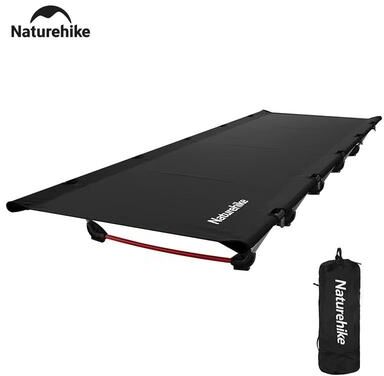
Inspired Finds Naturehike Folding Camping Cot Lightweight Portable Bed For Outdoor Travel, Hiking & Backpacking blackSleep comfortably under the stars with the folding camping cot designed for durability, comfort, and portability. Built with a sturdy frame that supports up to 150kg, this bed keeps you elevated from uneven or damp ground for a better nights rest...210,99 $*Shipping: 0,00 $Secure redirect to the provider
-
Multisell Products Hub Outdoor Hiking Watch With Compass & Carabiner Survival Sports Pocket Watch For Camping, Hiking, And Backpacking greenGear up for your next adventure with the Hiking Watch designed for explorers, outdoor enthusiasts, and adventurers alike. This allinone survival gadget combines a precision compass, sports pocket watch, and carabiner for easy attachment to your...44,97 $*Shipping: 0,00 $Secure redirect to the provider
-
Multisell Products Hub Long Distance Scope For Hiking, Bird Watching, Travel, Hunting, And Camping Long Distance Scope For Hiking, Bird Watching, Travel, Hunting, And CampingElevate Your Outdoor Experience with a Premium LongDistance Scope This longdistance scope is designed to transform your outdoor activities into unforgettable adventures. Whether you're bird watching, hiking, camping, or enjoying a sports event, this...54,97 $*Shipping: 0,00 $Secure redirect to the provider
-
What is decompression sickness?
Decompression sickness, also known as the bends, is a condition that occurs when nitrogen bubbles form in the bloodstream and tissues as a result of rapid decompression. This can happen when a person ascends too quickly from deep water, such as in scuba diving. Symptoms can include joint pain, fatigue, dizziness, and in severe cases, paralysis or death. Treatment typically involves re-compressing the diver in a hyperbaric chamber to reduce the nitrogen bubbles in the body. **
-
What are decompression stops in diving?
Decompression stops in diving are pauses that divers must make during their ascent to the surface in order to allow their bodies to safely release excess nitrogen absorbed during the dive. These stops are necessary when divers have been at depths that require them to breathe compressed air, as the nitrogen in the air can form bubbles in the bloodstream if not released gradually. Decompression stops are typically made at specific depths and durations, as determined by dive tables or dive computers, and are crucial for preventing decompression sickness, also known as "the bends." **
-
Can you get decompression sickness while snorkeling?
Yes, it is possible to get decompression sickness while snorkeling, although it is rare. Snorkeling involves diving to shallow depths and then returning to the surface, which can lead to changes in pressure that may cause nitrogen bubbles to form in the body. This can result in symptoms of decompression sickness, such as joint pain, dizziness, and difficulty breathing. To reduce the risk of decompression sickness while snorkeling, it is important to ascend slowly and avoid making rapid changes in depth. **
-
What is the reverse version of decompression sickness?
The reverse version of decompression sickness is known as compression sickness or barotrauma. This occurs when a person is subjected to a rapid increase in pressure, such as when ascending quickly from a deep dive or ascending in an airplane. The rapid change in pressure can cause gas bubbles to form in the body, leading to symptoms such as joint pain, dizziness, and difficulty breathing. Compression sickness can be prevented by ascending slowly and allowing the body to adjust to the changing pressure. **
Similar search terms for Decompression
-
Smart Shopping Spot Camping Gas Stove Foldable Windproof Burner For Backpacking & Outdoor Cooking Camping Gas Stove Foldable Windproof Burner For Backpacking & Outdoor CookingTake your outdoor cooking to the next level with this portable camping stove designed for adventurers who refuse to compromise on convenience. Whether you're hiking deep into the mountains or enjoying a relaxed picnic, this compact yet powerful...44,97 $*Shipping: 0,00 $Secure redirect to the provider
-
Inspired Finds Naturehike Folding Camping Cot Lightweight Portable Bed For Outdoor Travel, Hiking & Backpacking khakiSleep comfortably under the stars with the folding camping cot designed for durability, comfort, and portability. Built with a sturdy frame that supports up to 150kg, this bed keeps you elevated from uneven or damp ground for a better nights rest...210,99 $*Shipping: 0,00 $Secure redirect to the provider
-
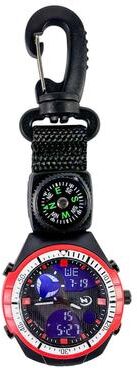
Multisell Products Hub Outdoor Hiking Watch With Compass & Carabiner Survival Sports Pocket Watch For Camping, Hiking, And Backpacking redGear up for your next adventure with the Hiking Watch designed for explorers, outdoor enthusiasts, and adventurers alike. This allinone survival gadget combines a precision compass, sports pocket watch, and carabiner for easy attachment to your...44,97 $*Shipping: 0,00 $Secure redirect to the provider
-
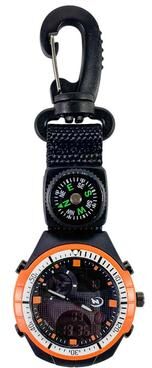
Multisell Products Hub Outdoor Hiking Watch With Compass & Carabiner Survival Sports Pocket Watch For Camping, Hiking, And Backpacking orangeGear up for your next adventure with the Hiking Watch designed for explorers, outdoor enthusiasts, and adventurers alike. This allinone survival gadget combines a precision compass, sports pocket watch, and carabiner for easy attachment to your...44,97 $*Shipping: 0,00 $Secure redirect to the provider
-
What is a rapid decompression in a vacuum?
A rapid decompression in a vacuum occurs when the pressure inside a sealed environment suddenly drops, causing the air and gases inside to rapidly expand. This can happen in a spacecraft or a pressurized cabin if there is a breach in the hull, causing the air to rush out into the vacuum of space. The rapid expansion of air can lead to a variety of dangerous effects, including the potential for explosive decompression, the formation of air embolisms in the bloodstream, and the risk of suffocation. Rapid decompression in a vacuum is a serious hazard for astronauts and anyone else in a pressurized environment in space. **
-
Does the decompression valve of the Hercules Prima not work?
The decompression valve of the Hercules Prima does work, but it may not function properly if it is damaged or clogged. If the decompression valve is not working as it should, it may result in difficulty starting the engine or poor performance. It is important to regularly inspect and maintain the decompression valve to ensure it is functioning correctly. If there are issues with the decompression valve, it should be repaired or replaced by a qualified mechanic. **
-
What can cause decompression sickness if the safety stop is skipped?
Skipping the safety stop can cause decompression sickness due to the rapid ascent of the diver to the surface. During the safety stop, nitrogen bubbles that have accumulated in the diver's body tissues are given time to slowly release, reducing the risk of decompression sickness. By skipping this stop, the nitrogen bubbles do not have enough time to off-gas, increasing the likelihood of decompression sickness occurring. It is important for divers to follow proper dive procedures, including safety stops, to minimize the risk of decompression sickness. **
-
Is there also extreme hiking camping?
Yes, there is a form of extreme hiking camping known as backpacking or wilderness camping. This type of camping involves carrying all necessary gear and supplies on your back and hiking long distances to remote and rugged locations. Backpacking often requires a higher level of physical fitness, outdoor skills, and self-sufficiency compared to traditional camping. It can be a challenging and rewarding way to experience the wilderness in a more immersive and adventurous way. **
* All prices are inclusive of VAT and, if applicable, plus shipping costs. The offer information is based on the details provided by the respective shop and is updated through automated processes. Real-time updates do not occur, so deviations can occur in individual cases. ** Note: Parts of this content were created by AI.